
Designing a dream backyard is about more than adding a patio or planting a few shrubs. The best outdoor spaces are carefully planned to create a balance of beauty, functionality, and comfort.
In Winston-Salem, homeowners are increasingly transforming their yards into outdoor living spaces where they can entertain guests, relax with family, and enjoy the outdoors year-round. But building the right backyard requires thoughtful planning — from layout and materials to landscaping, lighting, and entertainment features.
This guide walks through the most important steps in planning your backyard so you can create a space that fits your lifestyle and your property.
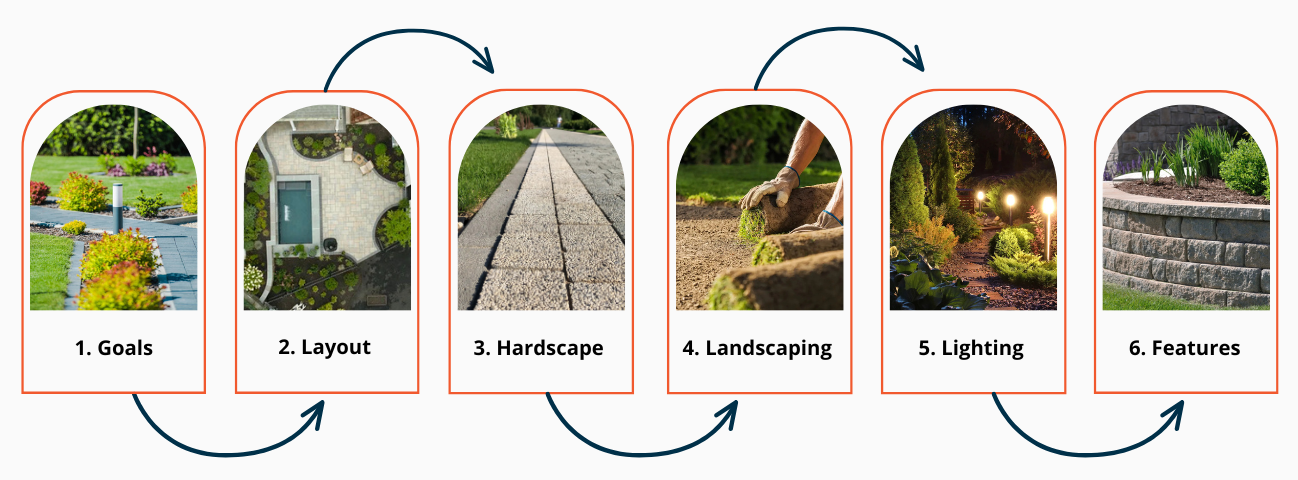
Every successful backyard project starts with a clear purpose. Before choosing materials or features, homeowners should decide how they want their outdoor space to function.
Some backyards are designed primarily for entertaining, while others focus on relaxation, family gatherings, or improving the home’s overall curb appeal.
Common backyard goals include:
Understanding these priorities early helps guide the layout and design decisions that follow.
Once you know how you want to use the yard, the next step is designing the layout. The layout determines where major features will be placed and how people will move through the space.
A well-designed backyard typically includes several functional zones, such as:
These zones work together to make the yard feel intentional rather than pieced together.
Many backyard layouts begin with structural outdoor features like patios, walkways, and retaining walls. These elements form the foundation of the design and help define how the space will function.
Hardscaping refers to the structural elements of an outdoor space, including patios, walkways, retaining walls, and gathering areas. These elements form the backbone of the backyard and create the areas where people gather and move.
Patios and Gathering Areas
A patio is often the centerpiece of a backyard design. It creates a dedicated space for seating, dining, and entertaining.
Walkways and Connections
Walkways help guide movement through the yard and connect key areas such as the patio, garden beds, and entrances.
Retaining Walls and Elevation Changes
Retaining walls can help manage sloped yards while also adding visual structure to the landscape.
Homeowners exploring these types of structural features can review Tilson’s hardscape installation services to see how patios, fire features, and retaining walls come together in a cohesive outdoor design.
Landscaping plays a major role in shaping the character of a backyard. Plants soften the structure created by hardscaping and help the yard feel more natural and inviting.
Strategic landscaping can also create privacy, reduce visual clutter, and highlight focal areas throughout the property.
Landscape Beds and Garden Areas
Well-designed planting beds provide color, texture, and seasonal interest.
Privacy Landscaping
Trees, shrubs, and layered planting can create natural privacy between properties.
Framing Outdoor Living Spaces
Plantings around patios and walkways help visually connect the hardscape features to the rest of the yard.
Homeowners who want to improve privacy, add structure to planting beds, or create a more polished outdoor environment often start by exploring professional landscape design and installation services to see how planting layouts, privacy screening, and garden beds can transform the overall look and feel of a backyard.
Outdoor lighting is often one of the most impactful additions to a backyard. It extends the usability of the space while also enhancing curb appeal and nighttime ambiance.
A well-designed lighting plan typically includes several layers.
Pathway Lighting
Illuminates walkways and improves safety.
Accent Lighting
Highlights trees, landscaping, and architectural features.
Gathering Area Lighting
Adds warmth and visibility around patios and seating areas.
If you’re looking for inspiration, these outdoor landscape lighting ideas highlight several techniques used to enhance safety, ambiance, and visual interest in outdoor spaces.
Once the structure, landscaping, and lighting are in place, homeowners can add features that make the backyard more comfortable and entertaining.
Outdoor Kitchens
Outdoor kitchens allow homeowners to cook and entertain without leaving the gathering area.
Fire Features
Fire pits and fireplaces create a natural gathering point and extend the usability of the space into cooler months.
Seating and Entertainment Areas
Designated seating areas help define social spaces and make the backyard feel more complete.
You can explore more ideas for incorporating cooking and gathering areas by reading about outdoor kitchens, fire features, and how they can transform a backyard into a fully functional outdoor living space.
A thoughtful design plan can help homeowners avoid many common backyard issues. One of the most frequent mistakes is starting a project without a clear layout, which can lead to a space that feels disorganized or inefficient. Waiting until the end of the project to plan lighting is another common problem, since lighting works best when it is integrated into the overall design from the beginning. Homeowners should also choose features that match how they actually plan to use the space, rather than selecting elements based only on appearance. Finally, overcrowding the yard with too many features can make the space feel smaller and less functional, so it’s important to prioritize the elements that will have the greatest impact on usability and comfort.
Designing a backyard that balances layout, landscaping, lighting, and entertainment features can be complex. Working with a professional design-build team helps ensure that every element fits together into one cohesive plan.
A professional team can help homeowners:




Backyard project costs vary widely depending on the size of the property, materials used, and features included, such as patios, landscaping, lighting, or outdoor kitchens.
For many homes, the patio or main gathering space acts as the centerpiece because it defines how the outdoor space will be used.
Hardscaping typically establishes the structure of the yard, while landscaping enhances the space afterward.
Project timelines vary depending on the size and complexity of the design, but planning ahead helps streamline the process.
Yes. Lighting improves safety, extends usability after sunset, and enhances the appearance of the landscape.
Yes. Many homeowners start with core elements like patios and landscaping and add features such as lighting or kitchens later.

Whether you’re planning a new patio, updated landscaping, custom outdoor lighting, or a complete outdoor living space, the right design can completely change how you use your yard. A professionally planned backyard brings together beauty, comfort, and functionality to create a space you’ll enjoy for years to come.
Start planning your dream backyard today. Request a free quote and speak with our team about your project.